Remote Destinations to Disconnect
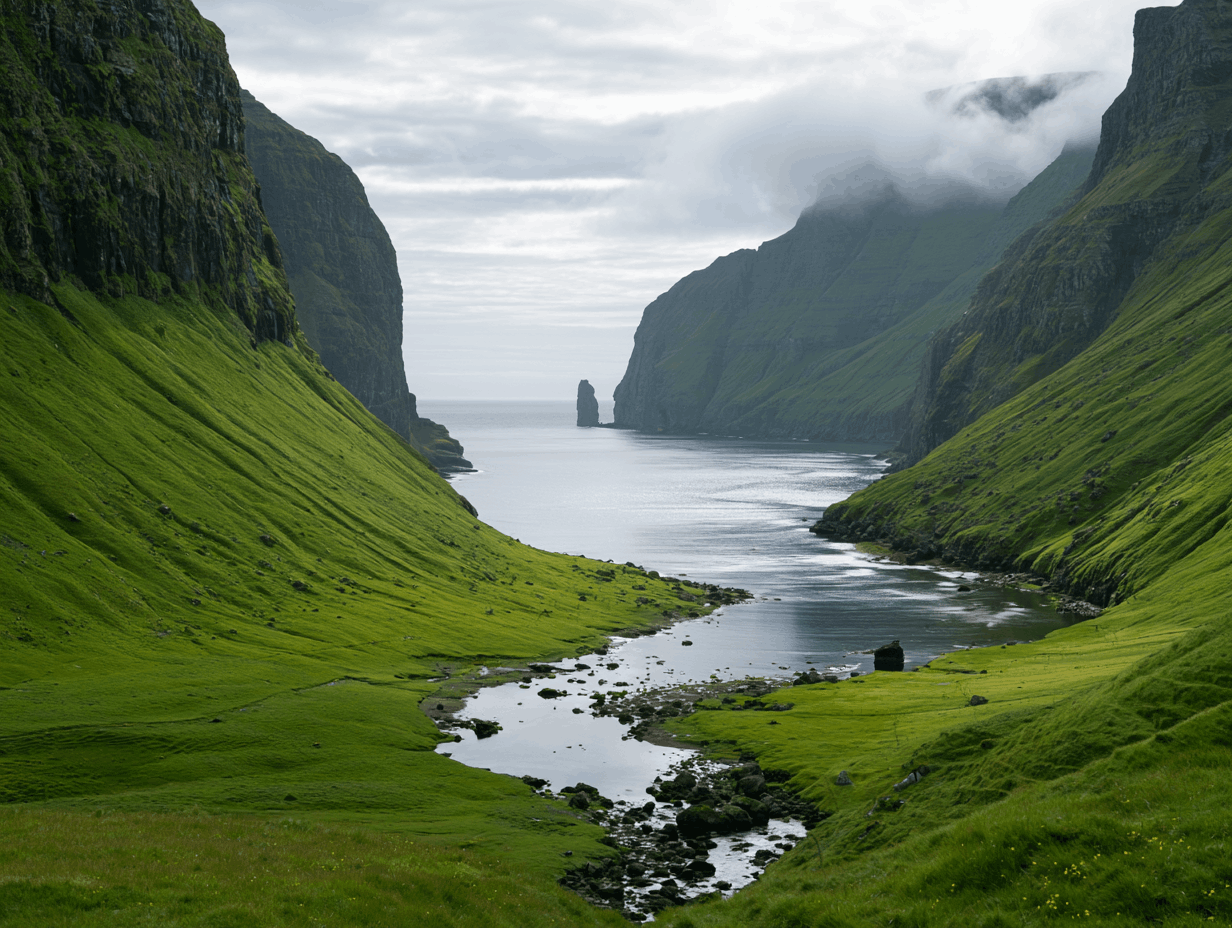
Far-flung landscapes with almost no signal and zero rush.
Some places still manage to stay properly far away. Not just quiet for a weekend but truly remote, where the phone stays silent for days and the only schedule is the weather. These are the spots where disconnection feels complete and the rush simply disappears.
The western edges of Iceland offer that kind of distance. Once you leave the main routes the roads thin out and the signal fades fast. Wide lava fields stretch toward the sea and small clusters of houses sit under big skies. You can drive for an hour without seeing another car. The wind is constant and the light changes without warning, which somehow makes the days feel slower. A simple cabin near the coast is enough. Walks along empty black shores or across open mossy ground fill the time without any need for plans. Evenings settle early and the silence is solid.
Further out the Faroe Islands keep that same sense of being removed from everything. The smaller northern islands especially. Steep green slopes drop into dark water and the villages are tiny. Ferries run when they run and once you are there the rest of the world feels theoretical. You can walk the cliff paths for hours and meet almost no one. The weather dictates the day more than any clock does. A week here or even longer settles the mind in a way that is hard to find elsewhere. The signal comes and goes and most people stop checking after the first day.
In the Azores the outer islands work the same way. Flores or Corvo sit far enough from the main ones that the pace drops immediately. Green volcanic hills roll down to wild coasts and the roads are narrow and quiet. You can spend whole days following sheep tracks or just sitting by a window watching clouds move across the Atlantic. There is almost no hurry in the local rhythm. Shops open late and close early and that becomes normal very quickly. The phone signal is patchy at best and after a while you stop noticing.
Scotland’s more distant islands, especially the ones further out in the Hebrides, give a similar feeling. Long empty beaches, low hills and a sky that seems bigger than usual. The ferries are infrequent and the weather can keep you in place for days. Once the boat leaves you are properly on your own. Walks along the machair or across the peat become the main activity. Evenings are for watching the light fade over the water. The absence of constant noise is the main point and it settles in fast.
Patagonia’s remote coastal stretches on the Chilean side push the feeling even further. The channels and inlets sit under dramatic mountains and the settlements are small and scattered. Getting there takes effort and once you arrive the space is total. Wind and rain come and go without asking. Days pass with long walks along the shore or just sitting and watching the weather systems roll through. The signal is minimal and the rush of ordinary life feels very distant. It is the kind of place where a week can stretch and slow in equal measure.
What these destinations share is the real absence of urgency. No constant notifications, no pressure to keep moving, just the basic rhythm of wind, light and landscape. The disconnection works because the places themselves demand it. Pack simple, leave the schedule behind and let the distance do the rest. The quiet arrives on its own once you stop trying to fill every hour.