Iceland’s Quiet Corners for a Full Reset
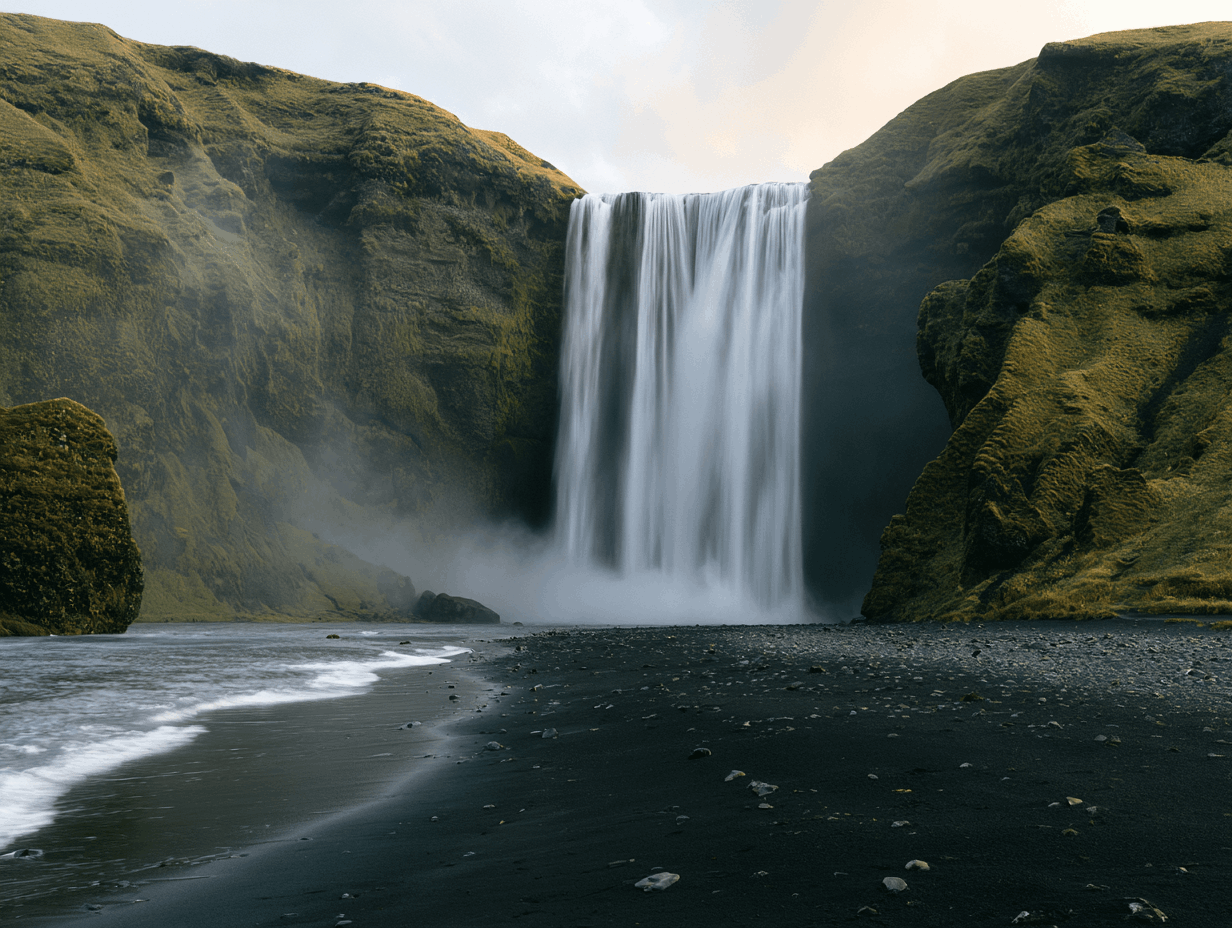
Empty black-sand beaches, silent waterfalls and endless horizons.
Iceland has its busy stretches, but the quiet corners still exist if you know where to look. The ones that give a proper reset sit away from the main stops and offer space that feels almost endless. Black sand underfoot, waterfalls that drop without much noise around them, and horizons that just keep going.
Along the south coast beyond the usual pull-offs the beaches open up wide and empty. The sand is dark and fine and the sea moves in long steady lines. You can walk for a long time without seeing another person. The wind carries the only sound most days. A simple base nearby lets you return to the same stretch at different hours and watch how the light changes the whole scene. Mornings are often soft and grey, afternoons sharper. Seven days here settle into a slow rhythm without much effort.
Further west the Snaefellsnes peninsula has quieter edges once you leave the more visited spots. Small coastal roads lead to black beaches that sit under low cliffs and open sky. The horizons feel especially wide on clear days. You can park and walk along the shore for hours, the only company the occasional seabird. The landscape stays sparse and open, which somehow clears the head. Evenings stretch long in summer or close in early during the darker months, either way the silence is solid.
Inland the smaller waterfalls away from the ring road offer another kind of quiet. Some drop into narrow canyons where the sound stays contained and the surroundings stay empty. Others sit in open valleys with almost no one around. The water moves constantly but the rest of the place feels still. A short walk from a quiet road is often enough to reach them. Sitting nearby for a while lets the noise of ordinary life fade. The air is clean and the light shifts fast across the rocks.
The Westfjords push the feeling further. The roads are slower and the distances longer. Empty beaches appear around sudden corners and the horizons stretch across wide fjords. Villages are small and spaced far apart. You can spend a full day driving short stretches and stopping at whatever draws the eye, a silent fall, a stretch of dark sand, an open view that just keeps going. The weather decides a lot of the pace and that becomes part of the reset. Signal is patchy and after a day or two most people stop reaching for the phone.
These corners work because they ask very little. No big plans needed, just time and a willingness to move slowly. The black sand, the quiet water, the open sky do most of the work. Pack warm layers, leave the schedule loose, and let the place set the tempo. A week in these spots tends to leave the mind clearer than it was at the start. The reset arrives almost without noticing.